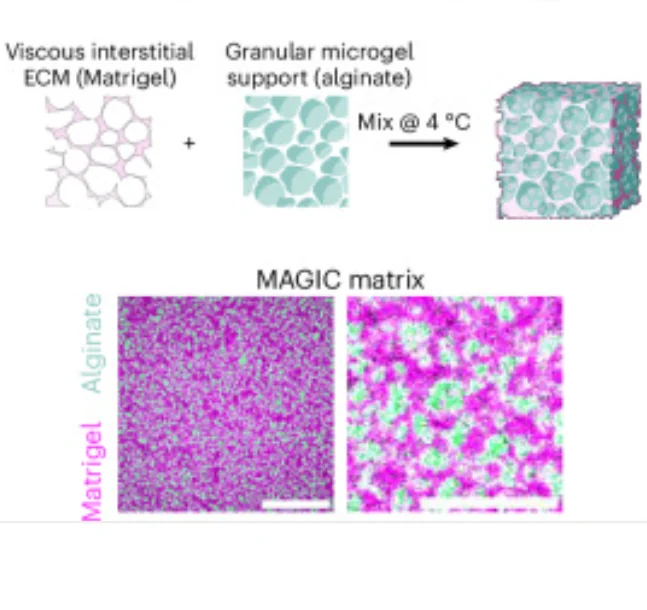
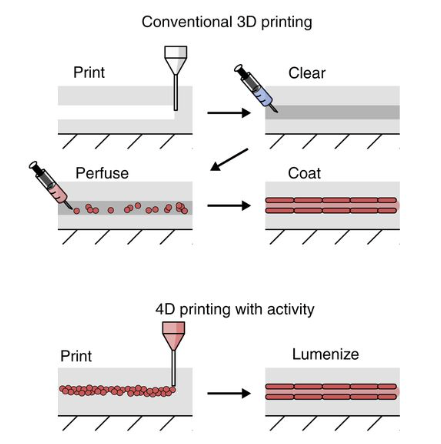
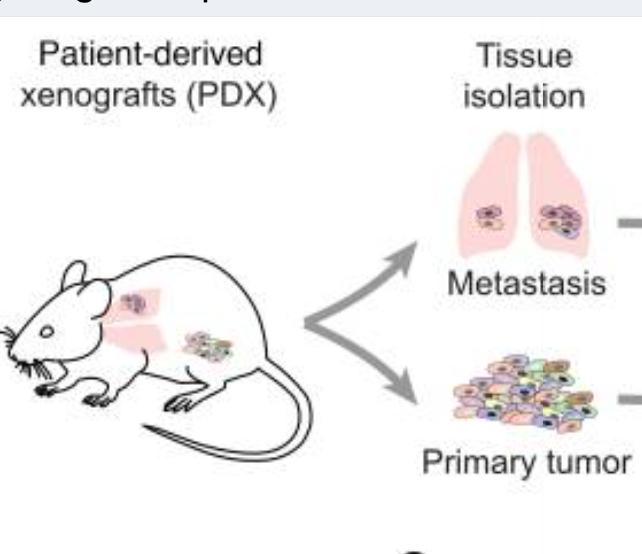
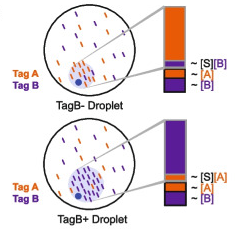
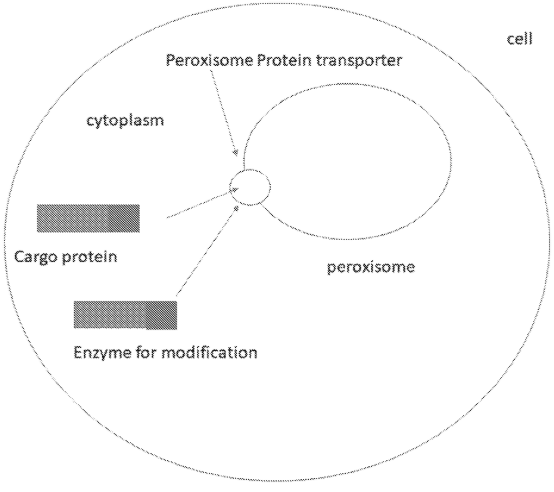
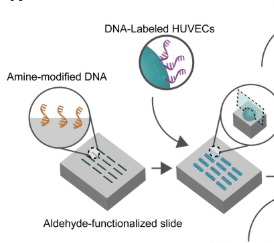
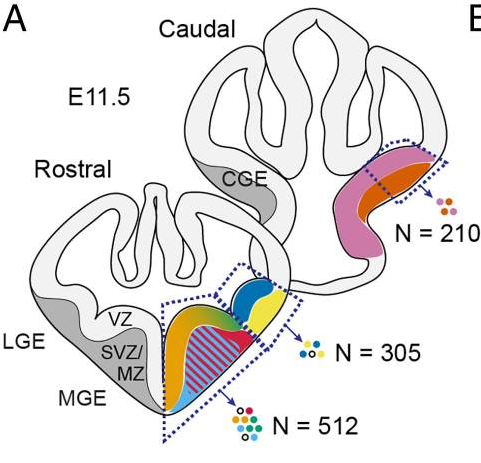
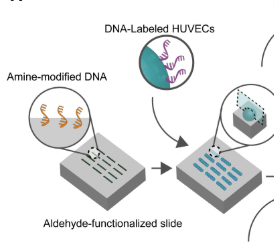
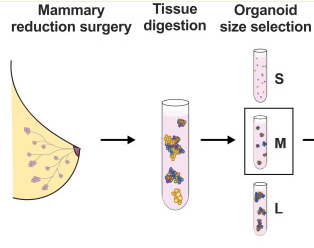
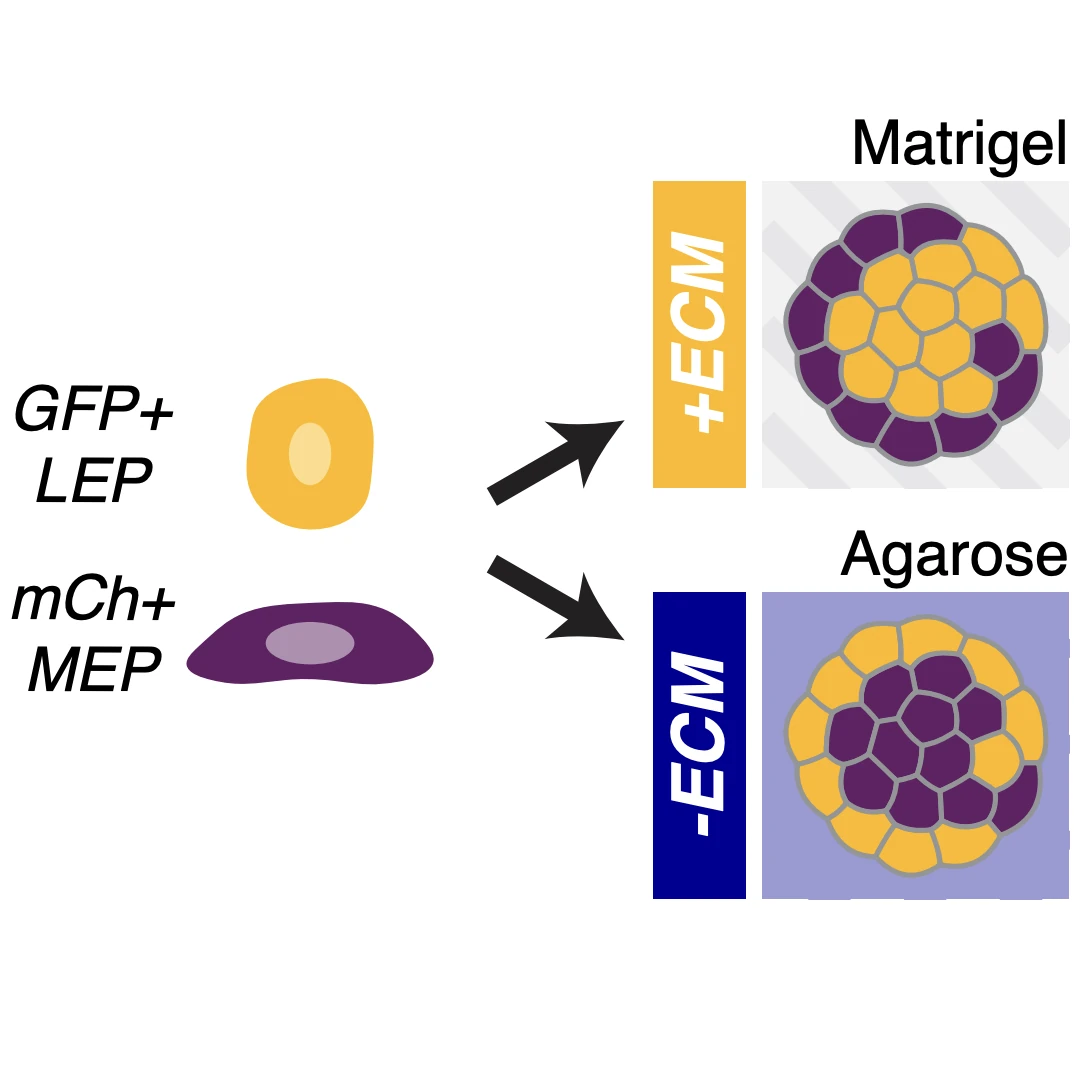
Diagram comparing how extracellular matrix placement affects patterned cell organization.

Understand how tissuesform, fail, and heal.

We study how living matter organizes itself into the structured, functional tissues that make up the human body.

By controlling how cells are arranged, communicate, and sense their surroundings, we uncover the rules that shape tissue form.

Those rules guide new ways to engineer replacement tissues, model human disease, and slow tissue breakdown in aging and cancer.

How Tissues Build Themselves

We build human tissues from the bottom up to uncover how cells organize, communicate, and make collective decisions in development and disease.

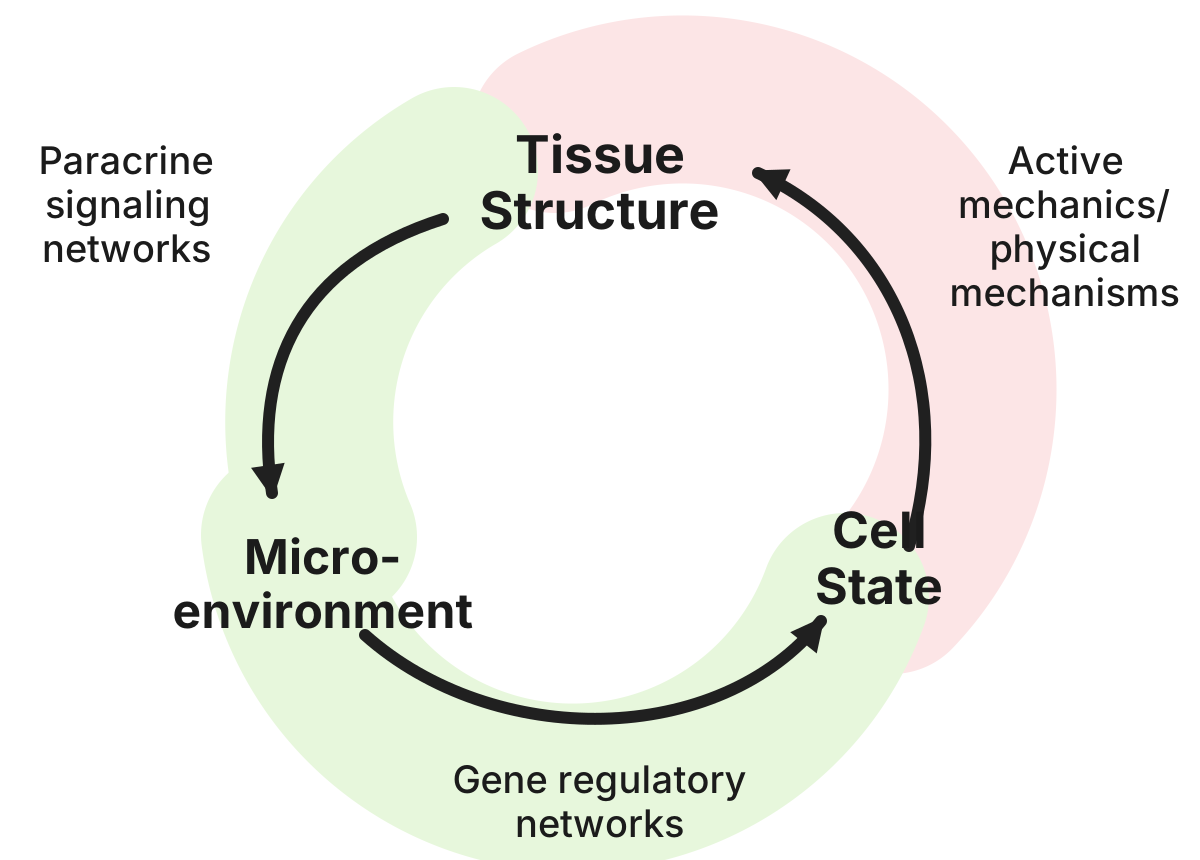
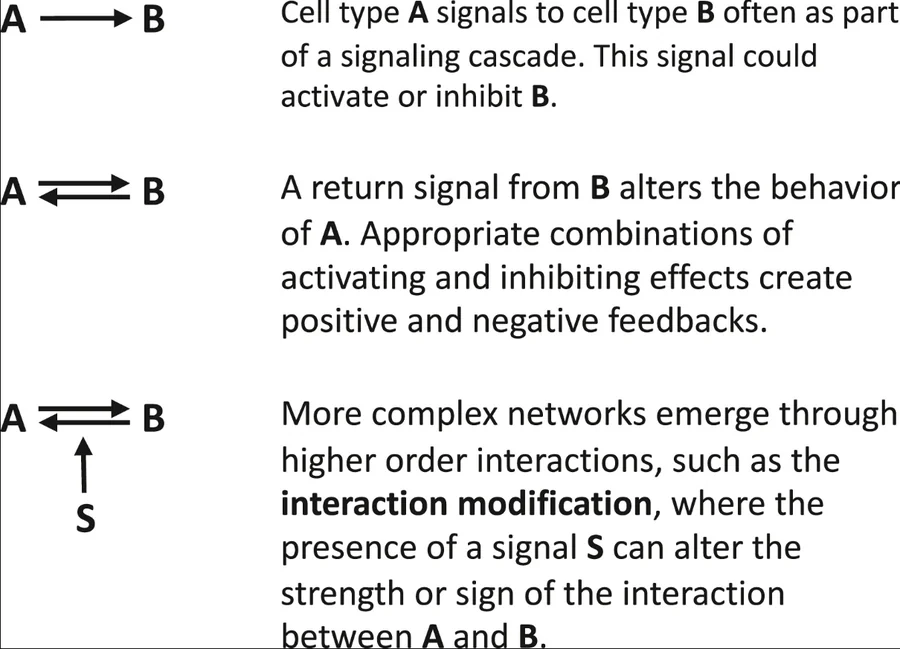
High-resolution redraw of the Gartner Lab self-organization cycle, showing reciprocal relationships among tissue structure, the microenvironment, and cell state.

Tissue structure is defined by the number, composition, and three-dimensional arrangement of cells. It organizes chemical, mechanical, and electrical information that helps tissues function. We study how this structure forms through self-organization, how it coordinates collective behavior, and how it is disrupted in diseases such as cancer. Across the human breast, digestive tract, pancreas, and immune system, we combine experimental biology, chemistry, engineering, quantitative measurement, and computation to build and interrogate living tissues.

01BUILD

Engineering Tissue Architecture

We engineer the starting architecture of tissues by controlling cell number, composition, extracellular matrix, and three-dimensional position. These designed starting conditions let us build human tissue models from the bottom up, then ask how cell-cell interactions and morphogenesis transform them into functional structures.

Key Questions
  • How can the initial arrangement of cells and extracellular matrix guide tissue assembly?
  • How can defined cell number and composition reveal the rules of multicellular organization?
Approaches
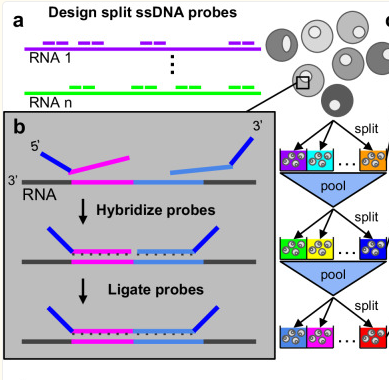
  • DNA Programmed Assembly uses complementary DNA oligonucleotides to establish defined cell-cell contacts.
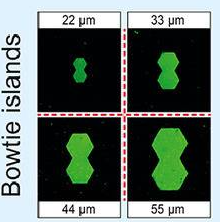
  • Printed Droplet Microfluidics enables quantitative combinations of cells in small volumes before long-term culture.
  • Bottom-up tissue models and engineered folding test how initial architecture shapes morphogenesis.
Representative Publications
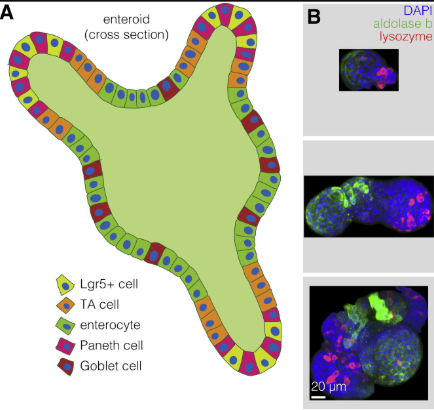
Time-lapse microscopy of a mouse intestinal tissue model.

02ORGANIZE

Self-Organization and Tissue Mechanics

Cells are dynamic living materials whose signaling, mechanics, and microenvironment reshape one another. We study how cell-cell interfaces, extracellular matrix interactions, and active forces generate robust tissue structure despite cellular heterogeneity and plasticity—and how these processes can be directed to support regeneration.

Key Questions
  • What mechanical and molecular rules allow cells to self-organize into specific tissue structures?
  • How do tissue folding, heterogeneity, and plasticity shape development, regeneration, and disease?
Approaches
  • Measurements of active mechanics at cell-cell interfaces and within the extracellular matrix.
  • Mammary epithelial models that reveal how cell properties and signaling influence structural heterogeneity.
  • Engineered tissue folding and intestinal villus morphogenesis models that connect mechanics to regeneration.
Representative Publications
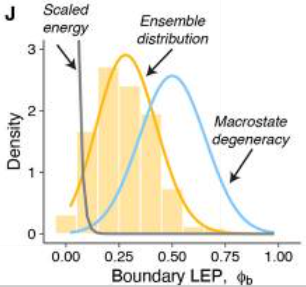
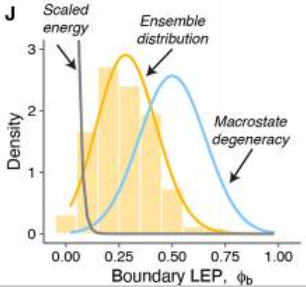
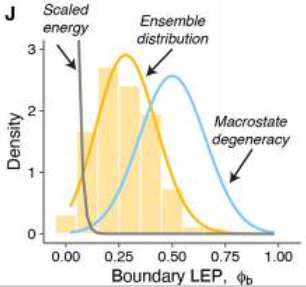
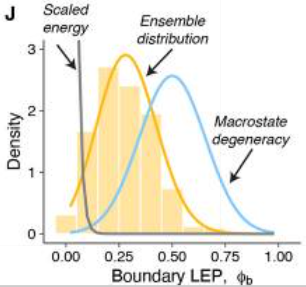
Simulation of configurational entropy in organoid self-organization.

03COMMUNICATE

Collective Decisions and Spatial Signaling

Cells in the same tissue can occupy different signaling states, and their interactions can generate unexpected collective behaviors. We combine organoid and single-cell approaches with molecular tools for receptor-scale perturbation to understand how communication is integrated across tissues, from Ras variability to Notch and EGFR organization.

Key Questions
  • How does cell-to-cell variability generate collective behavior in tissues?
  • How do spatially organized receptor signals shape cell-fate decisions and cancer-associated signaling?
Approaches
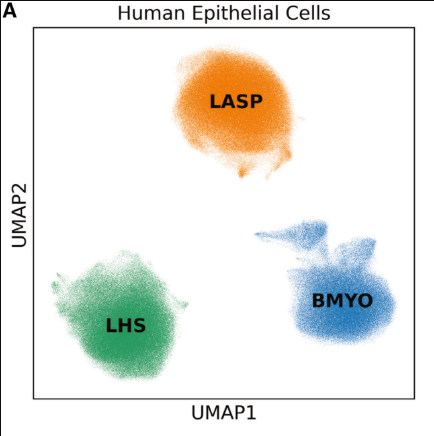
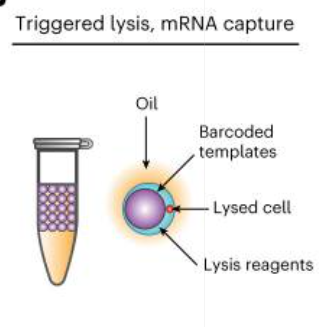
  • Organoid models and MULTI-seq multiplexing measure collective decisions after perturbing tissue composition or communication.
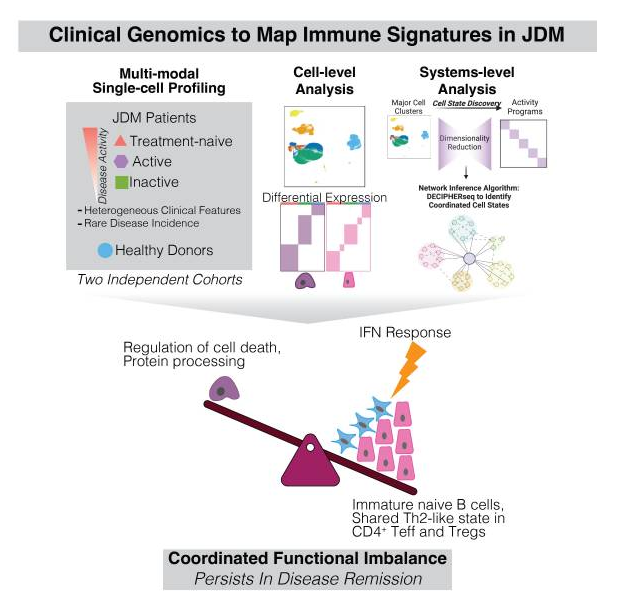
  • Single-cell analysis maps hormone-regulated and immune-cell signaling across interacting cell populations.
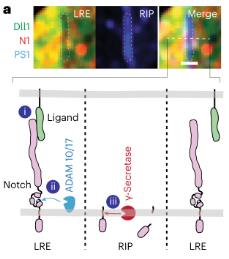
  • Monovalent quantum dots and DNA-scaffolded ligands image and perturb nanoscale Notch and EGFR receptor organization.
Representative Publications
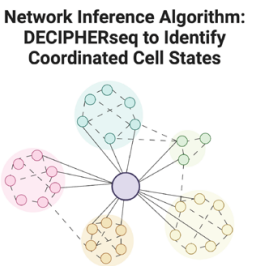
CONCORD lineage-labeled medoid from a worm developmental atlas.

Postdoctoral Fellows

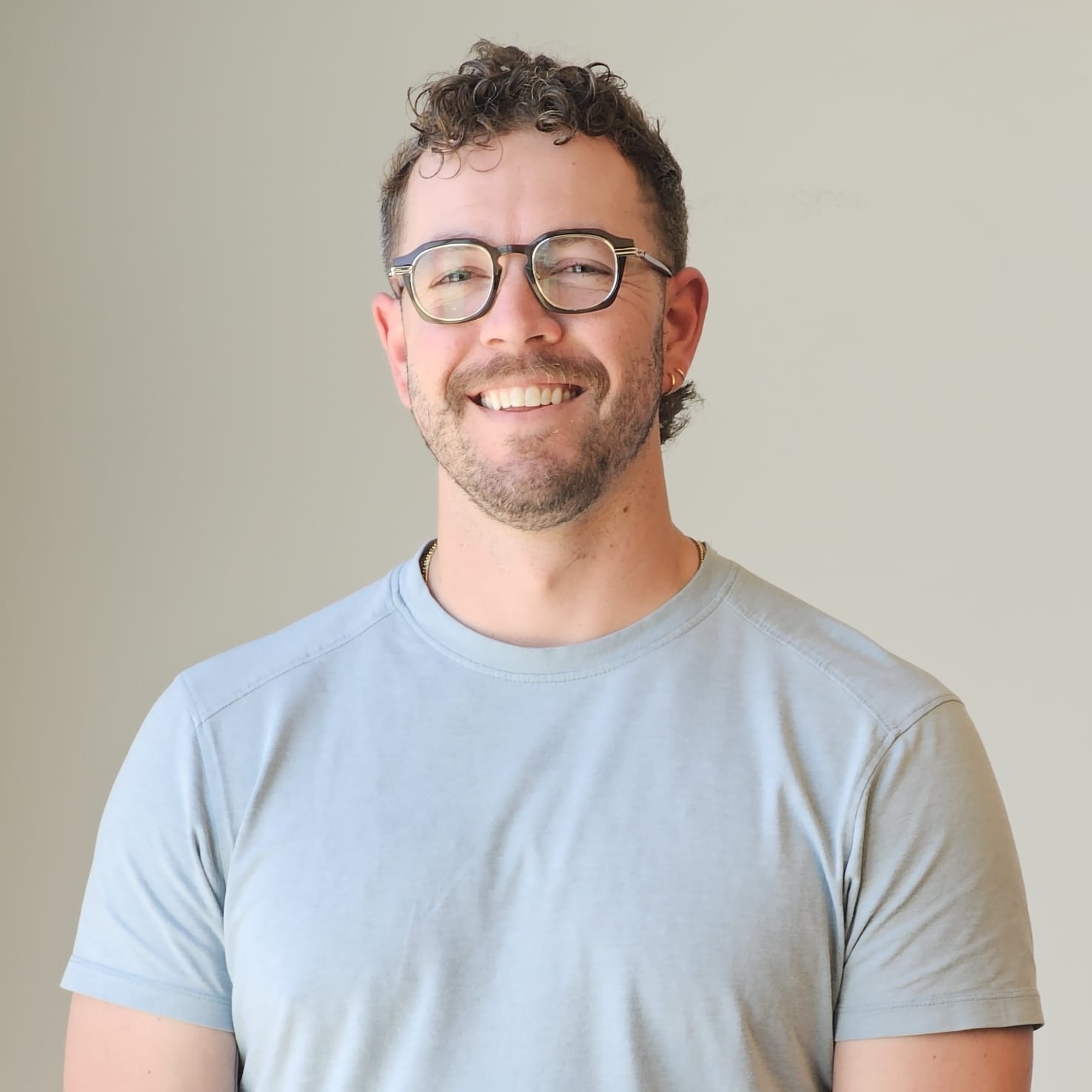
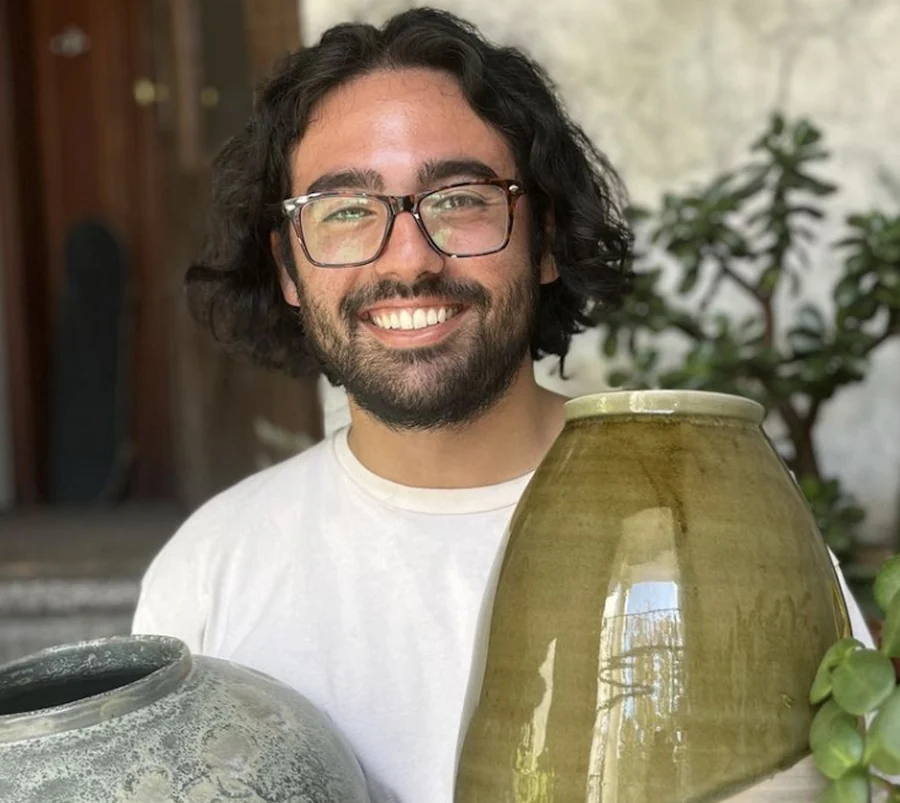
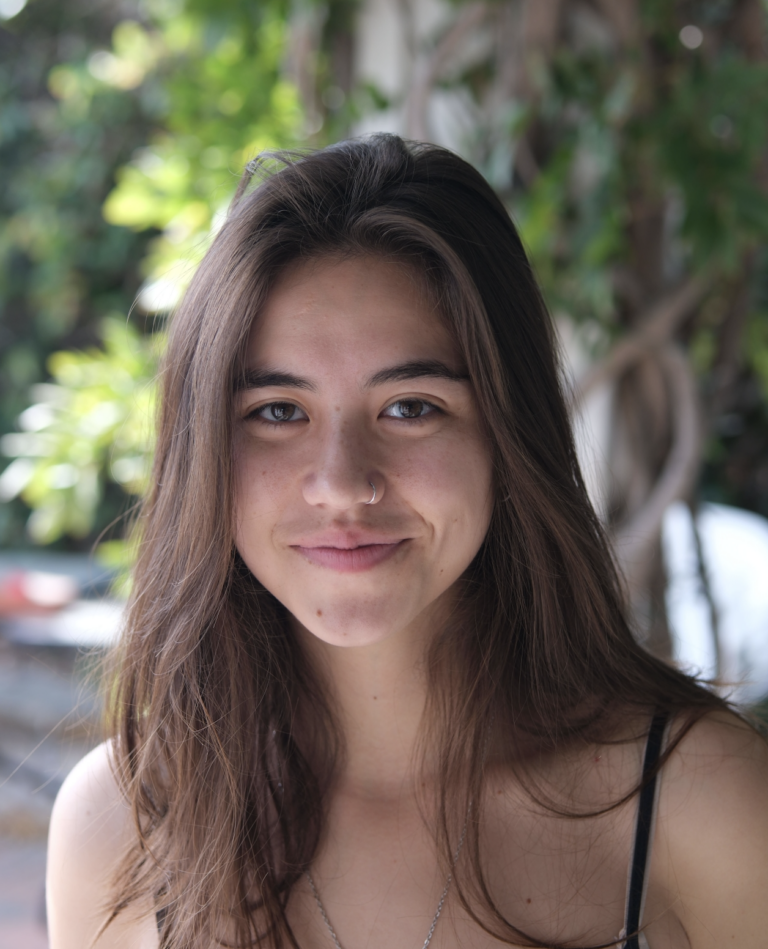
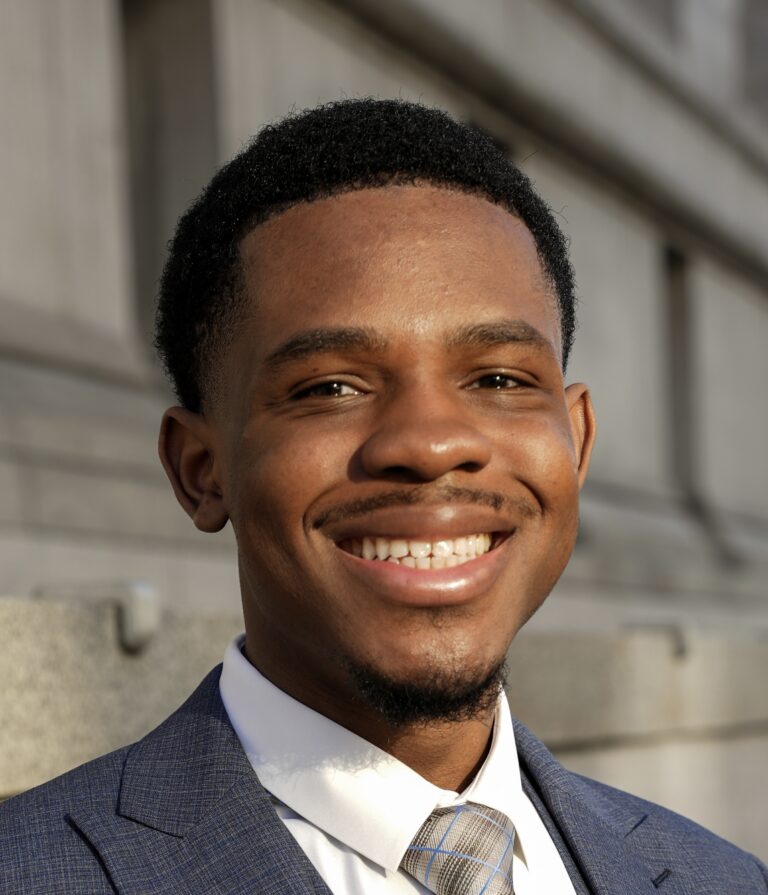
Portrait of Austin Graham

Austin Graham

Postdoctoral Fellow

  • Living Materials
  • Morphogenesis
  • Tissue Engineering

BS, Chemical Engineering, UC Santa Barbara; PhD, Chemical Engineering, University of Texas at Austin

Research

Develops materials and technologies that instruct tissue morphogenesis to improve models of development, regeneration, and disease.

Biography

I grew up in the California desert, where the "microenvironment" fostered a love of both art and science. While studying chemical engineering at UC Santa Barbara, I found that research allowed me to pursue science as a creative endeavor. From there, I followed my namesake to Austin, Texas, to pursue my PhD in the Keitz Lab, developing living materials that dynamically respond to their environment, similar to tissues. Now in the Gartner Lab, I program in vitro tissue morphogenesis with an emphasis on designing dynamic biomaterials and tissue-tissue interfaces. Outside of the lab, you can find me skiing, playing tennis, at a concert, or exploring all that California has to offer.

Honesty Kim

Postdoctoral Fellow

  • 3D Bioprinting
  • Self-Organization
  • Instramentation

BS, Bioengineering, University of California, Los Angeles; MS, Stanford University; PhD, Stanford University; PostDoc, University of Arizona

IM.

Iain Martyn

Postdoctoral Fellow

  • Synthetic development
  • Cell engineering
MH.

Michelle Huang

Postdoctoral Fellow

BS, Chemical-Biological Engineering, MIT; MS, Chemical Engineering, Stanford University; PhD, Chemical Engineering, Stanford University

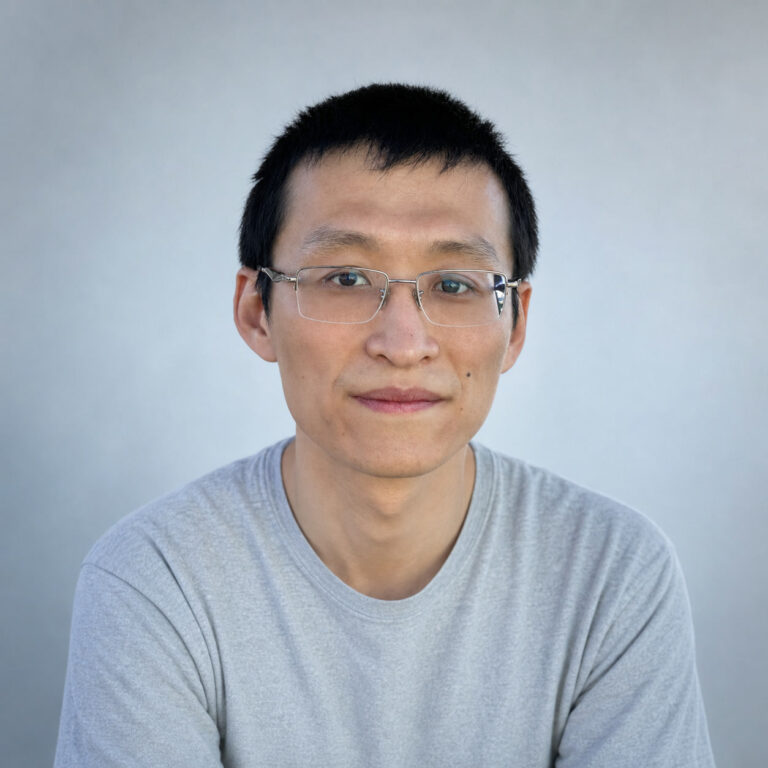
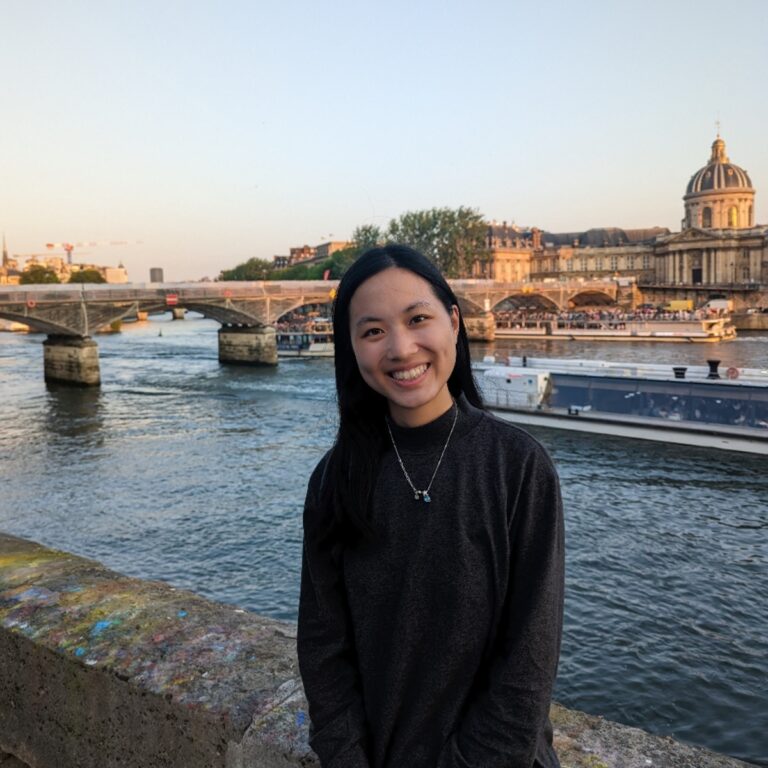
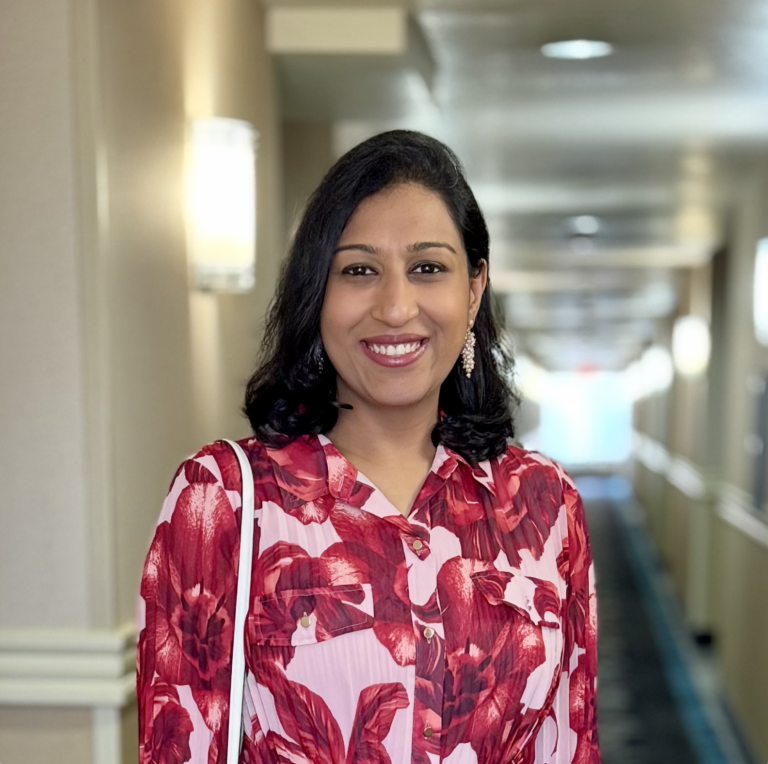
Portrait of Qin Zhu

Qin Zhu

Postdoctoral Fellow

  • Machine Learning
  • Single-Cell Genomics
  • Immune-Cell State

BS, Nanjing University; MS, Biotechnology, University of Pennsylvania; PhD, Genomics and Computational Biology, University of Pennsylvania

Research

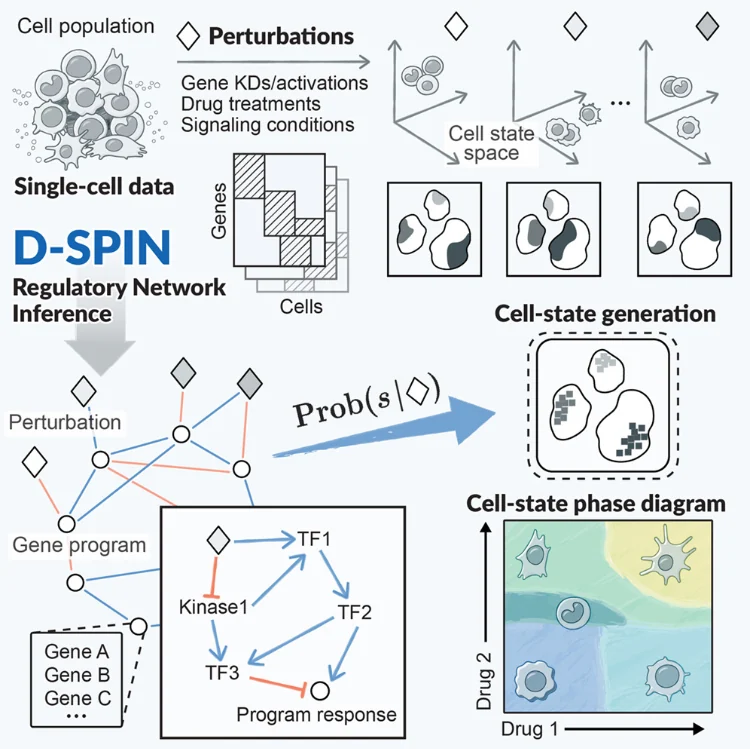
Develops machine-learning and bioinformatics tools to map paths between cell states and understand how perturbations can reprogram immune cells.

TH.

Teemu Hakkinen

Postdoctoral Fellow

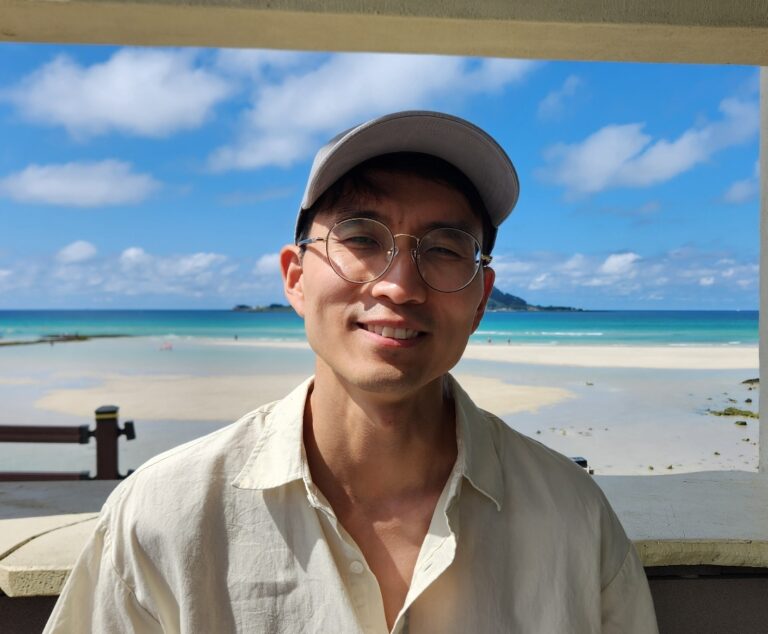
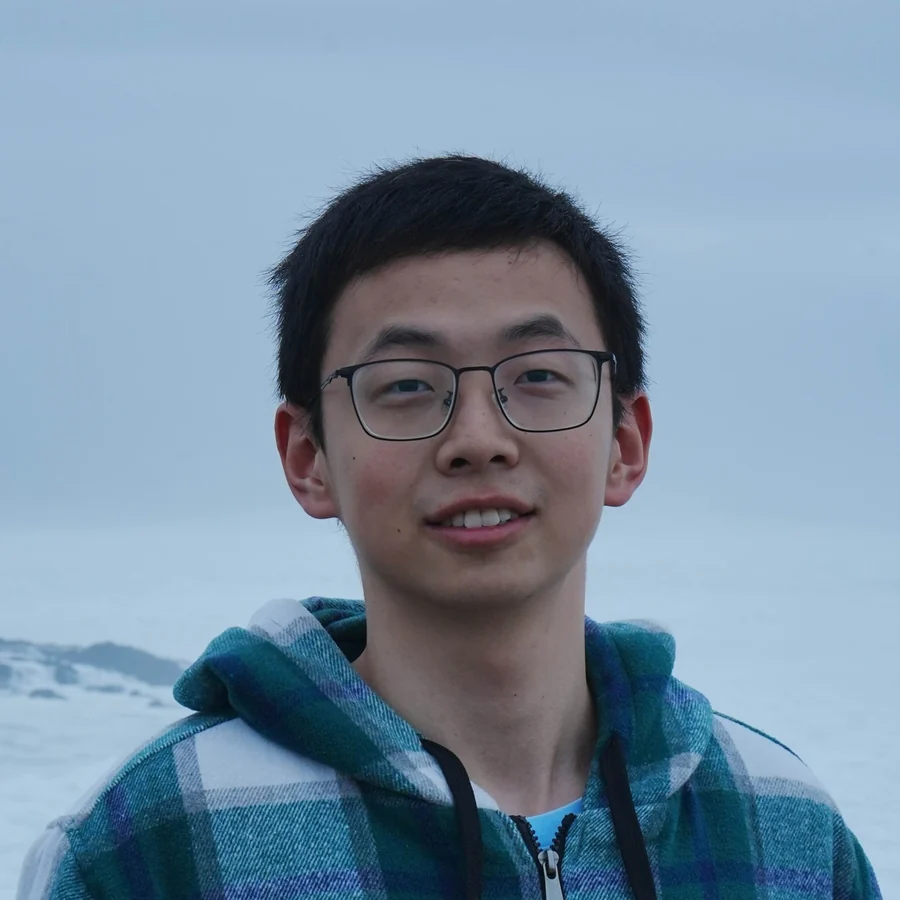
Portrait of Wonhee John Lee

Wonhee John Lee

Postdoctoral Fellow

  • Biological Self-Organization
  • Cell-Cell Interface
  • Bio-Imaging

BS, Biological Science and BS, Electrical Engineering, KAIST; PhD, DGIST

Research

Investigates the biophysical mechanisms of cell-cell interface formation, membrane protein assembly, and tissue patterning.

Biography

I was born in East Lansing, Michigan, but I mostly grew up in South Korea. I received a bachelor's degree in biological science and electrical engineering (double major) from KAIST. I completed my doctoral studies at DGIST, focusing on single-molecule biophysics using nanomaterials, under the guidance of Dr. Daeha Seo and Jong-Chan Lee. In the Spring of 2024, I joined UCSF as a postdoc to investigate the underlying principles of cell-cell interface formation with Dr. Zev Gartner and Young-Wook Jun as my co-advisors.

Graduate Students

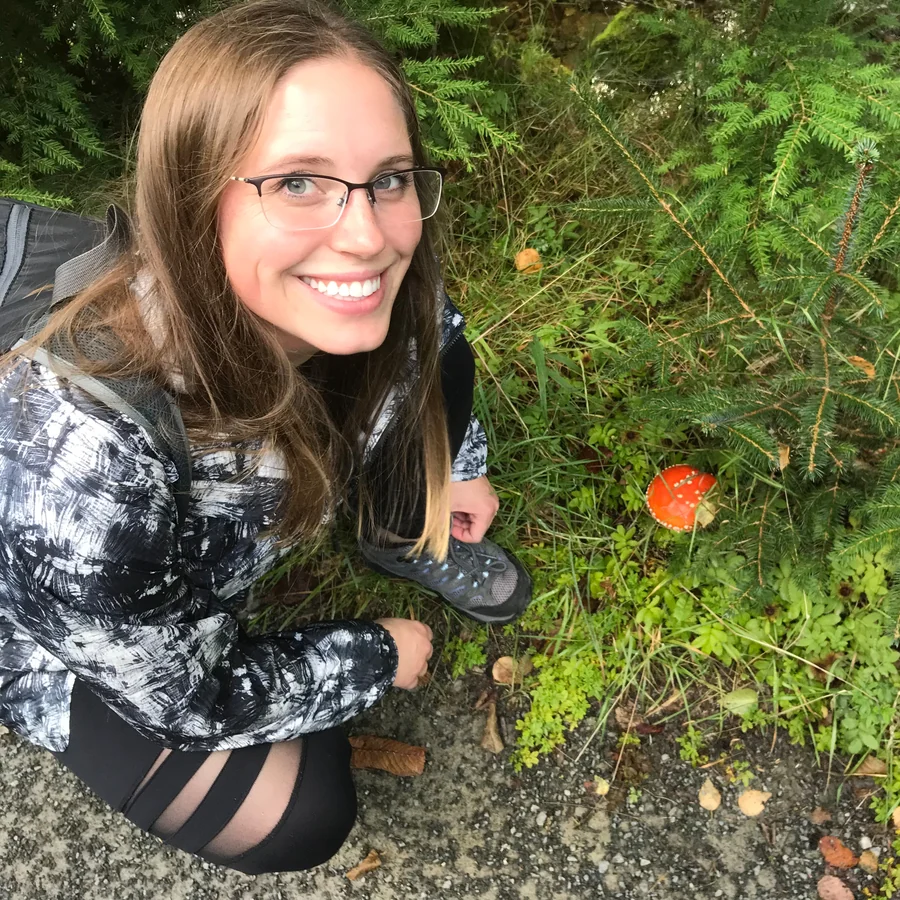
Portrait of Asa Kalish

Asa Kalish

Biophysics Graduate Student

  • Statistical Mechanics
  • Cell Identity
  • Cell Engineering

BA, Physics and Mathematics, Washington University in St. Louis

Research

Uses statistical mechanics to define cellular identity through a cell's components and their interactions.

Grace Hu

Bioengineering Graduate Student

  • Computer Vision
  • 3D Bioprinting
  • Tissue Engineering

BS, Materials Science and Engineering, Stanford University; MS, Computer Science, Stanford University

Research

As a Bioengineering PhD student in the UC Berkeley-UCSF Graduate Program, I’m very grateful to have found two homes as a co-advised student in the labs of Professor Grace Gu (yes - crazy name coincidence!) at UC Berkeley and Professor Zev Gartner at UCSF. My research focuses on integrating computer vision and bioprinting to precisely control tissue interfaces in 3D. Here, we extrude living inks inside tunable ECM microenvironments and evaluate how patterning initial conditions may direct robust morphogenesis. Ultimately, we strive to create better tissue models to accelerate drug discovery, study tissue structure, and promote regenerative medicine.

Biography

Growing up in the calm suburbs of Long Island, New York, I flew across the country to study Materials Science and Engineering for my undergrad and Computer Science for my Master’s at Stanford University. In Professor Manu Prakash’s lab, I explored printable batteries innovations to power an ultra-affordable scanning electron microscope (aweSEM), along with hosting Foldscope (the $1 paper microscope) STEM workshops in Cape Town, South Africa in 2019. Additionally, I developed artificial intelligence (AI) tools to augment teaching ability in Professor Chris Piech’s Lab for CS Education. I currently serve as a Diversity & Community Fellow at UC Berkeley and have been involved in numerous science policy and advocacy initiatives. In my free time I enjoy singing with the UCSF Vocal Chords a cappella group, hosting ambitious dinner and board game parties, and exploring the Bay Area with friends!

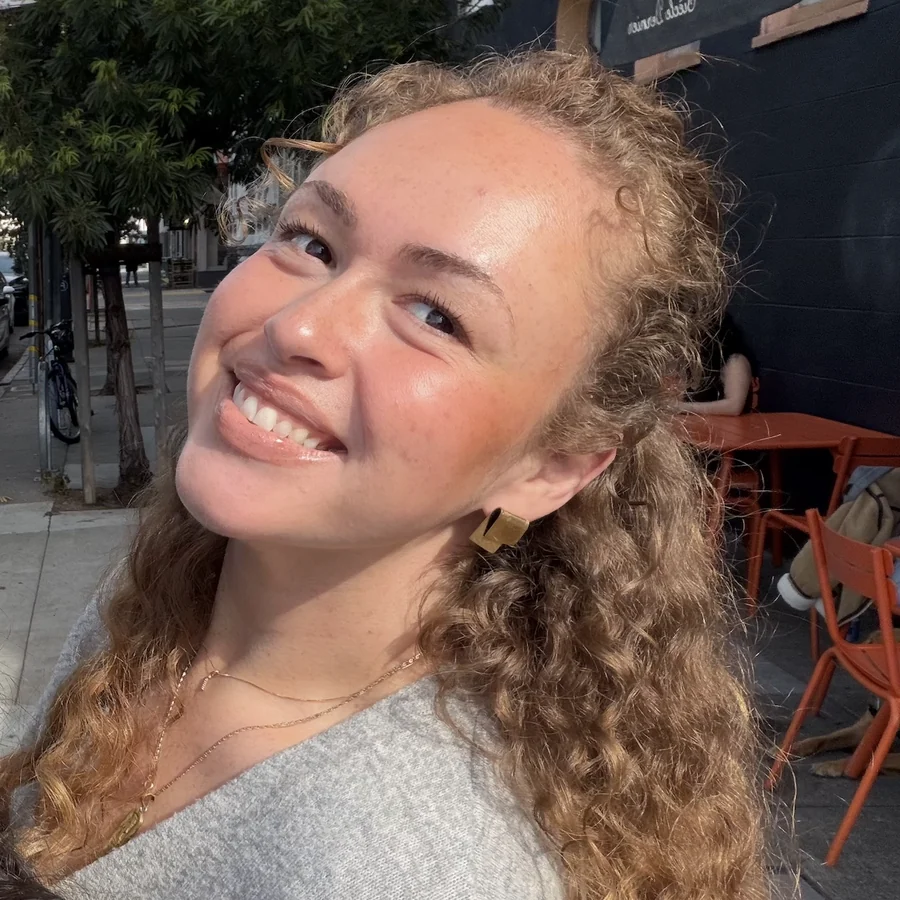
Portrait of Jennifer Le

Jennifer Le

Tetrad Graduate Student

  • Breast Cancer
  • Mammary Biology
  • Spatial and Single Cell Transcriptomics

BS, Biochemistry, University of California, Riverside

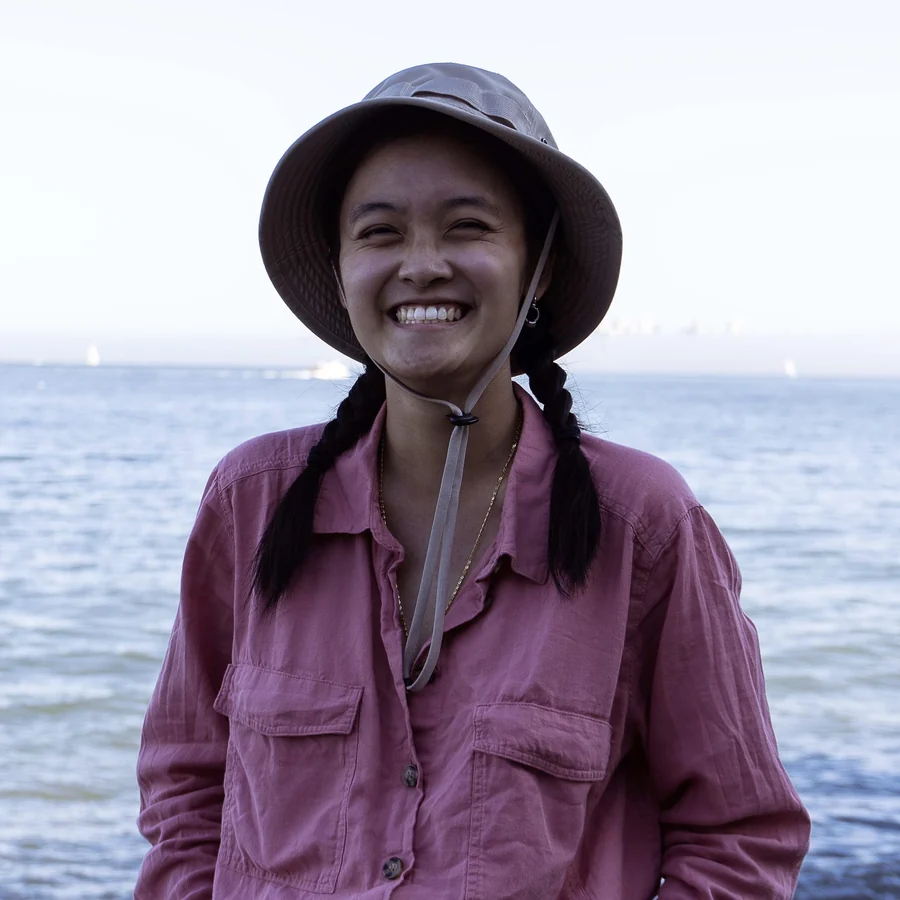
Portrait of Lauren Kim

Lauren Kim

Bioengineering Graduate Student

  • Mammary Gland Biology
  • Spatial and Single Cell Transcriptomics

BA, Neuroscience, Smith College

Research

Uses spatial transcriptomic methods including MERFISH to study gene-expression patterns in normal and diseased mammary glands.

LP.

Lucas Pardo

Bioengineering Graduate Student

  • 3D Bioprinting
  • Small-Intestine Biology
  • Tissue Self-Assembly

B. Engineering, McGill University

Natasha Brinkley

Bioengineering Graduate Student

  • Living Materials
  • 3D Bioprinting
  • Tissue Engineering

BS, Bioengineering, University of California, Riverside; MS, Bioengineering, University of California, Riverside

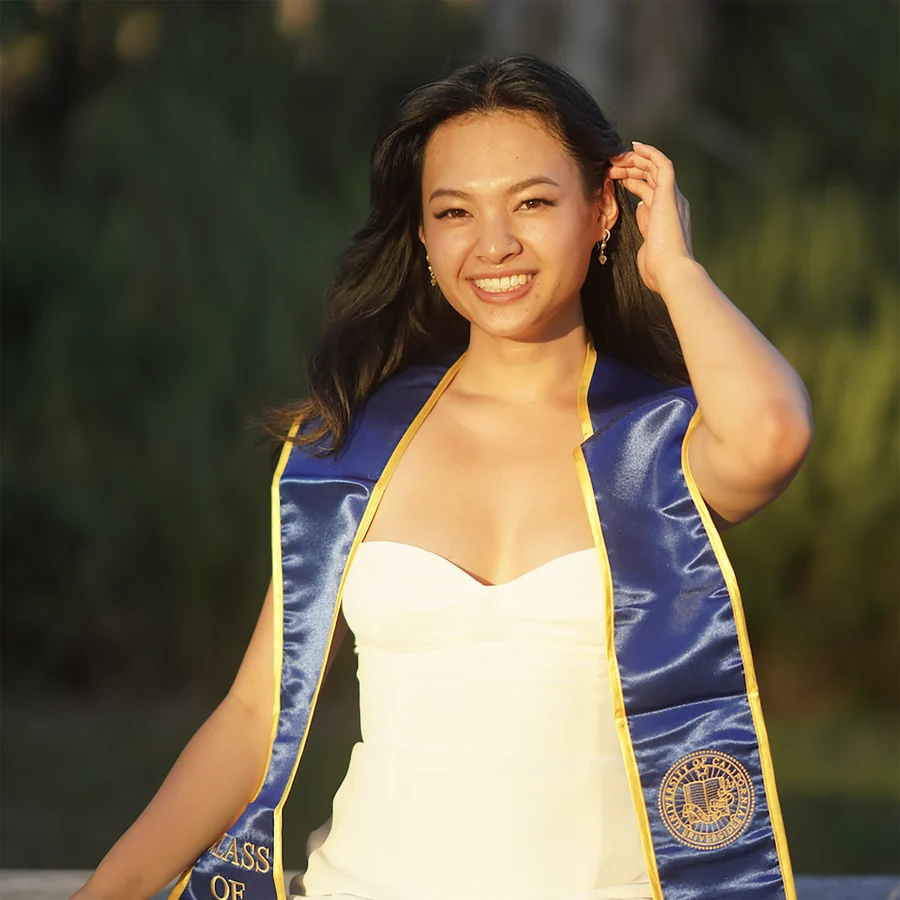
Portrait of Zuzhi Jiang

Zuzhi Jiang

Tetrad Graduate Student

  • Single-cell transcriptomics
  • Gut development
  • Intestinal organoids
  • Bioprinting

BS, Integrated Science, Peking University

Research

I integrate single-cell RNA-sequencing datasets to study gut development by identifying developmental cell states, signaling pathways, and cellular interactions. My goal is to translate these insights into more reproducible and physiologically relevant gut organoids through stem cell engineering and bioprinting.

Biography

I grew up in Sichuan, China, a province known for its spicy cuisine and giant pandas. I later moved to Beijing to study Integrated Science at Peking University, then spent a gap year at HHMI's Janelia Research Campus before beginning the Tetrad PhD Program at UCSF. Outside the lab, I enjoy hiking around San Francisco, playing badminton, and photographing landscapes and cultural heritage. I also enjoy reading biographies and popular science books. My favorite animated film is Big Hero 6, and I especially relate to Hiro Hamada's curiosity and enthusiasm for science and engineering. I'm always happy to share recommendations for Sichuan food.

Researchers and Staff

Portrait of Brittany Moser

Brittany Moser

Assistant Professional Researcher

  • Single-Cell Immunology
  • Plateletes
  • Chemical Biology

BS, Purdue University; PhD, University of Chicago; PostDoc, University of California, San Francisco

Portrait of Gabriela Childree

Gabriela Childree

Lab Manager and Research Associate

  • Mammary and Prostate Gland Biology
  • Comparative Models
  • Lab Operations

AA, Social and Natural Sciences, Skyline College; BS, Animal Biology, University of California, Davis

Research

Studies mammary gland biology and how cellular plasticity differs across mammalian models while coordinating lab operations.

Biography

Born and raised in San Francisco's Mission District, I had a colorful childhood that included dancing Flamenco and Samba on the weekends, boogie boarding along the California coast, and volunteering at the San Francisco Zoo every summer. When it came time to transfer from community college, I chose to stay close to home and study Animal Biology at the University of California, Davis. While at UC Davis, I conducted behavioral research on African lions and grizzly bears through a collaboration with the San Francisco Zoo. After graduation, I joined the hospital team at the California Academy of Sciences, where I assisted with surgical procedures on the Academy's animal residents. In the Gartner Lab, I now apply this experience by performing specialized surgical procedures and animal tissue collection, including naked mole-rat mammary epithelium, for studies investigating the plasticity of the prostate and mammary glands. When I'm not in the lab, you can find me in my kitchen making lattes and listening to music, visiting a farmer's market to make a TikTok recipe I saved months ago, or gardening in my yard with my son.

Justin Amakor

Research Associate

  • Morphogenesis
  • Tissue Development and Homeostasis
  • 3D Printing

BS, Molecular, Cell, and Developmental Biology, Minor, Biomedical Research, University of California, Los Angeles

Vasudha Srivastava

Specialist

  • Tissue Structure
  • Statistical Mechanics
  • Structural Heterogeneity

BS, Biochemical Engineering and Biotechnology, Indian Institute of Technology Delhi; MS, Biochemical Engineering and Biotechnology, Indian Institute of Technology Delhi; PhD, John Hopkins University; PostDoc, University of California, San Francisco

Research

Studies how cell properties and interactions produce tissue-level structural ensembles and heterogeneity.

Principal Investigator

Portrait of Zev Gartner

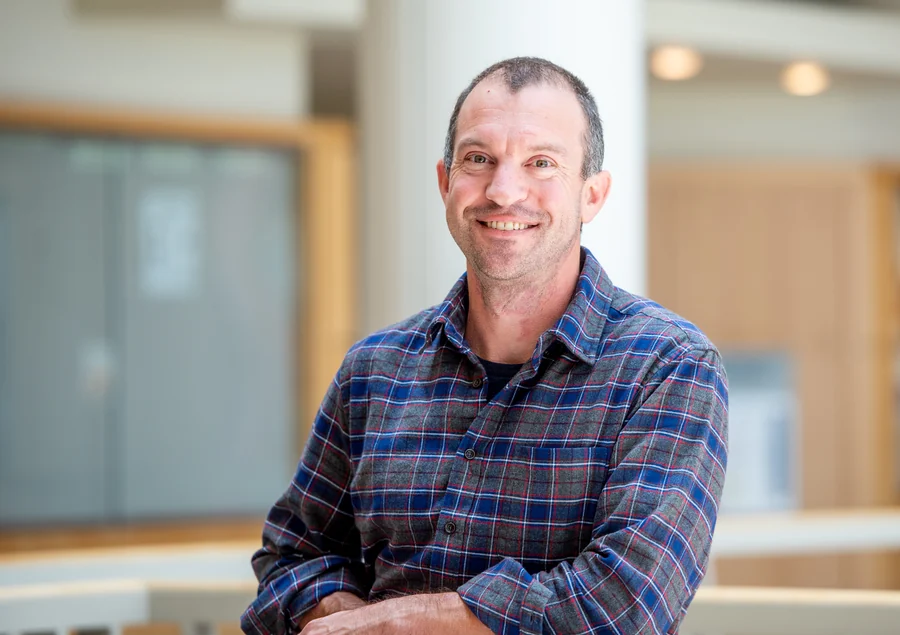
Zev Gartner

Professor and Principal Investigator

  • Living matter
  • Tissue self-organization
  • Cell engineering

BS, Chemistry, UC Berkeley; PhD, Chemistry, Harvard University

Research

Builds human tissues from the bottom up to learn how cells organize collective behavior and how tissue structure changes in disease.

Alumni

Alec Cerchiari (Graduate Student) Director, Global Product Management, Cook Medical

Alejandro Ramirez-Apodaca (Lab Manager) R&D Operations, Rondo Therapeutics

Alex Hughes (Postdoctoral Fellow) Associate Professor of Bioengineering, University of Pennsylvania

Ali Kalantari (DSCB Graduate Student) Graduate Student, UCSF Fattahi Lab

Amanda Paulson (Graduate Student) Specialist, Informatics, UCSF Small Molecule Discovery Center

Andrew Bremer Policy Manager, International Society for Stem Cell Research

Bryan Chang (Junior Specialist) Graduate Student, Princeton University

Chithra Krishnamurthy (Postdoctoral Fellow) Senior Manager, Corporate Strategy, Amgen

Chris McGinnis (Graduate Student) Postdoctoral Fellow, Stanford University

Danny Conrad (Tetrad Graduate Student) Scientist I, Genomics Platform, Chan Zuckerberg Biohub

David Patterson (Postdoctoral Fellow) Scientist II, 10x Genomics

Efren Reyes (Graduate Student) Scientist, Genentech

Gabrielle Rabadam (Graduate Student) Scientist, Johnson & Johnson Innovative Medicine

Hikaru Miyazaki (Graduate Student) Scientist, Single Cell, Gordian Biotechnology

Jasmine Amaya (Undergraduate Research Associate) Master in Biomedical Engineering, Johns Hopkins University

Jennifer Hu (Graduate Student) Senior Scientist, Genentech

Jennifer Liu (Graduate Student) Associate Director, Business Development, Pharmaron

Jesse Zhang (Graduate Student) Scientist, Single-Cell Biology, Tahoe Therapeutics

Jim Garbe (Researcher) Retiree Affiliate, Lawrence Berkeley National Laboratory

Justin Farlow (Graduate Student) Serotiny Platform Lead, Johnson & Johnson

Kaden Southard (Graduate Student) Research Scholar, Memorial Sloan Kettering Cancer Center

Katie Cabral (Graduate Student) Senior Scientist III, GC Therapeutics

Kiet Phong (Bioengineering Graduate Student) Postdoctoral Fellow, Max Planck Institute for Molecular Biomedicine

Kimberly Meneses (Tetrad Graduate Student)

Kyle Broaders (Postdoctoral Fellow) Associate Professor of Chemistry, Mount Holyoke College

Lyndsay Murrow (Postdoctoral Fellow) Principal Scientist, Single Cell Genomics, Genentech

Matthias Lachner Managing Director, VFI GmbH

Max Coyle Postdoctoral Fellow, Harvard University

Melanie Bocanegra (Postdoctoral Fellow) Associate Vice President, Student Success, California State University, Northridge

Melissa Perez-Rodriguez (Undergraduate Student Researcher) University of California, Los Angeles

Michael Todhunter (Graduate Student) Co-Founder and Chief Scientific Officer, Dragonase

Nick Selden (Graduate Student) Emergency Medicine Physician, Sutter Medical Center Sacramento

Noel Jee (Graduate Student) Partner, Novo Holdings

Olivia Creasey (Graduate Student) Business Development Manager, KACTUS

Rob Weber (Graduate Student) Assistant Professor of Medicine, UCSF

Roger Oria (Postdoctoral Fellow)

Samantha Liang (Graduate Student) Data Partnerships and Strategy Lead, Science R&D, Unlearn.AI

Tyler Huycke (Postdoctoral Fellow) Assistant Professor, University of Michigan
Complete Publication List

2022–202664 records

2026

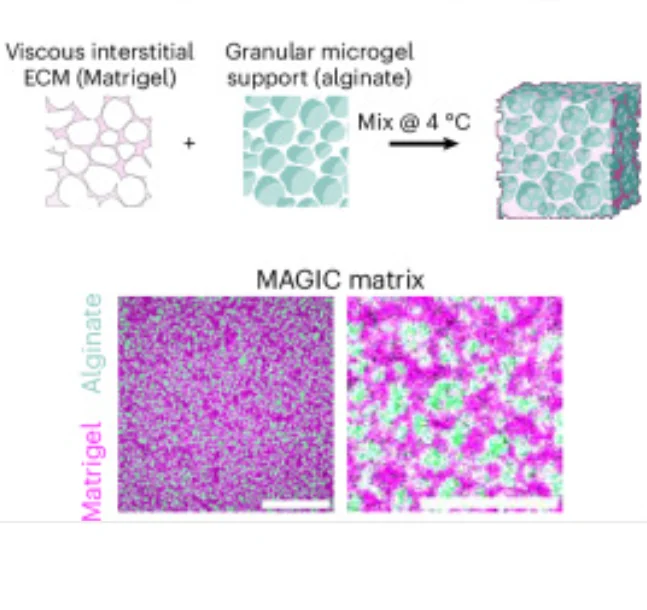
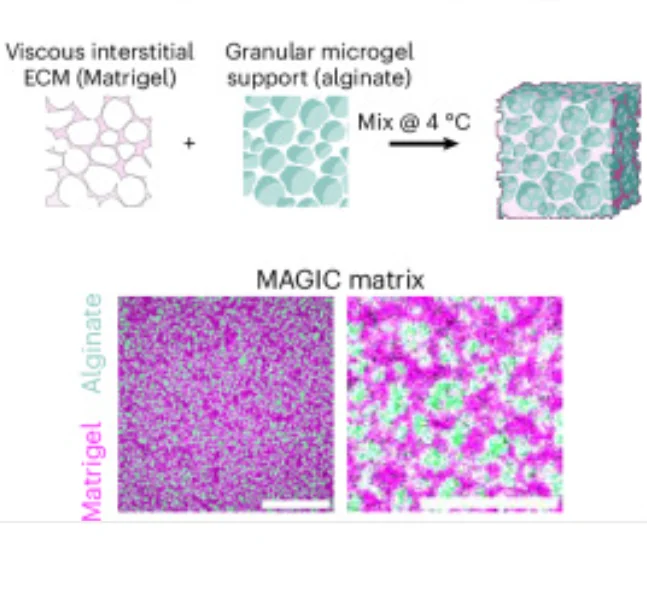
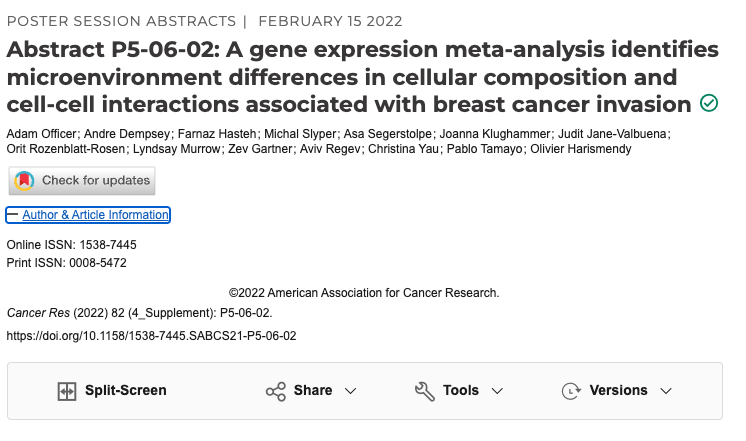
Publication figure for Stress-relaxing granular bioprinting materials enable complex and uniform organoid self-organization

Stress-relaxing granular bioprinting materials enable complex and uniform organoid self-organization

Austin J. Graham; Michelle W. L. Khoo; Vasudha Srivastava; Sara Viragova; Honesty Kim; Kavita Parekh; Kelsey M. Hennick; Malia Bird; Nadine Goldhammer; Jie Zeng Yu; Grace Hu; Natasha T. Brinkley; Lucas Pardo; Jasmine S. Amaya; Cameron D. Morley; Nishant Chadha; Paul Lebel; Sanjay Kumar; Jennifer M. Rosenbluth; Tomasz J. Nowakowski; Ovijit Chaudhuri; Ophir Klein; Rafael Gómez-Sjöberg; Zev J. Gartner

Nature materials 25 (7), 1239-1251, 2026

2025

2024

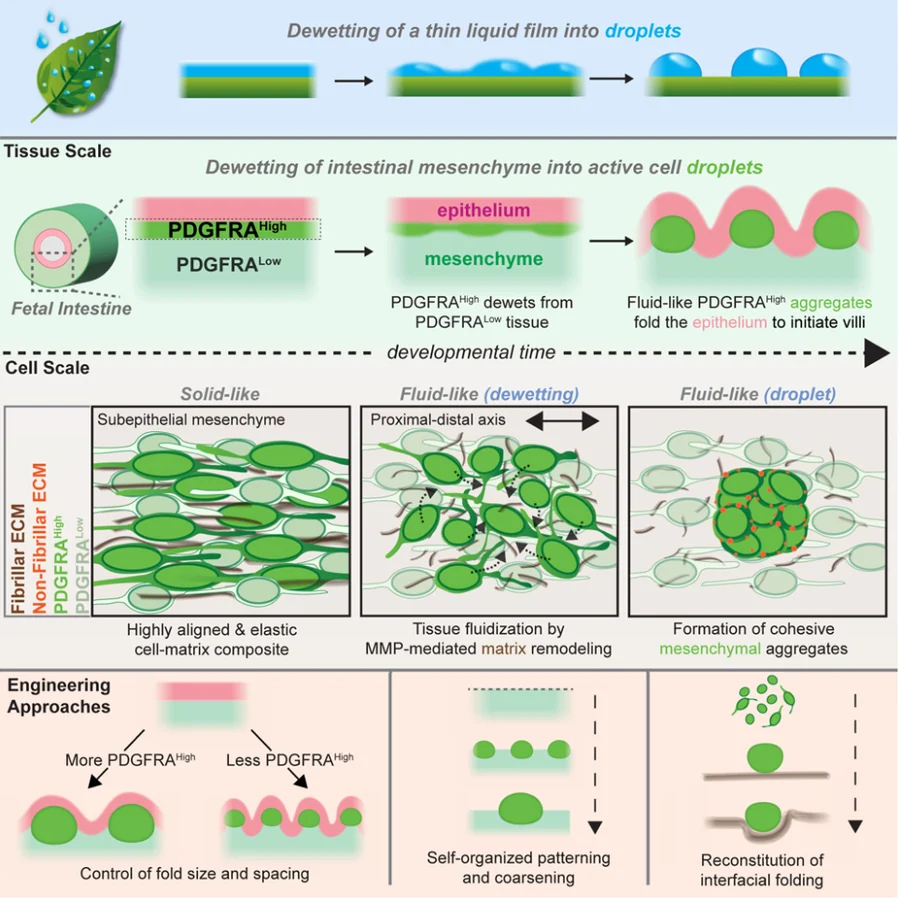
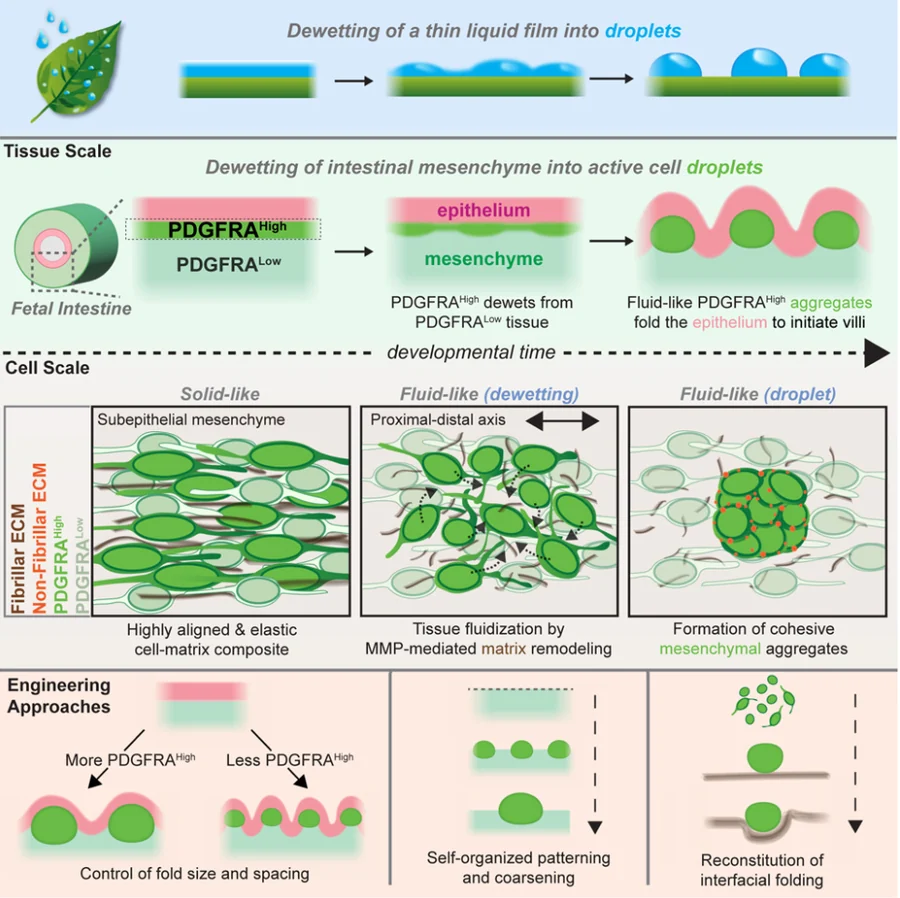
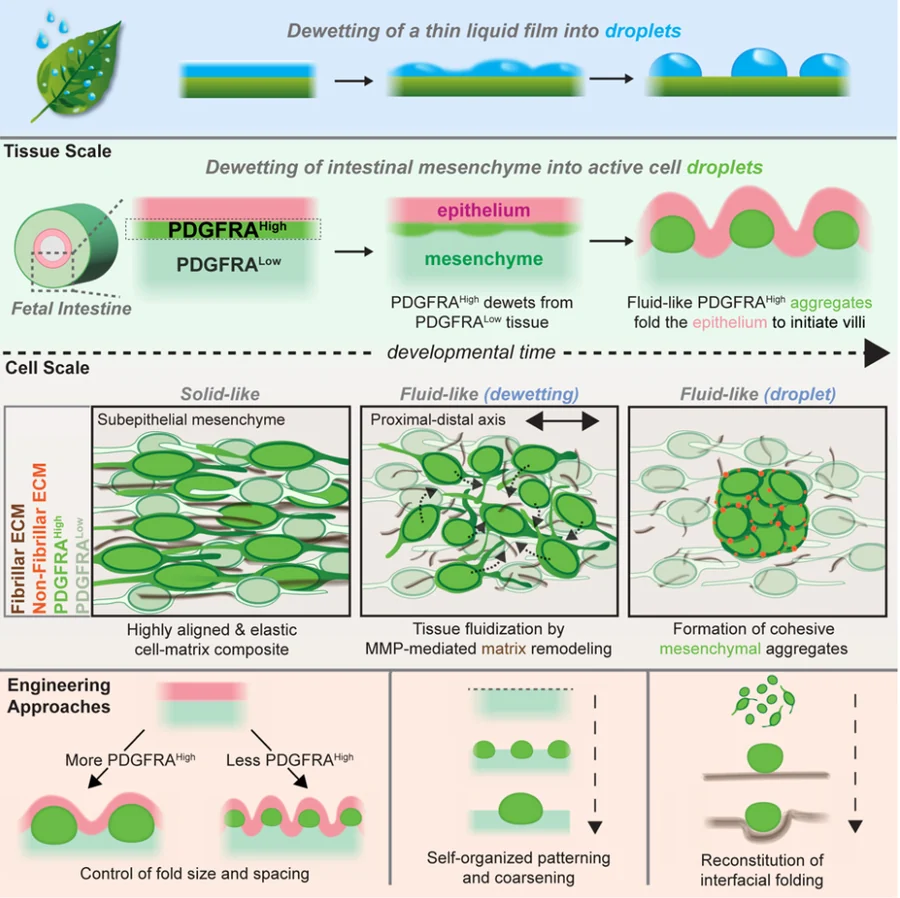
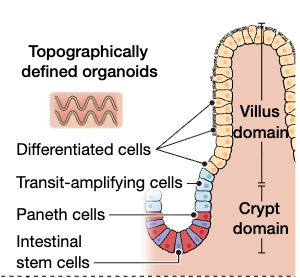
Publication figure for Patterning and folding of intestinal villi by active mesenchymal dewetting

Patterning and folding of intestinal villi by active mesenchymal dewetting

Tyler R. Huycke; Hiroyuki Miyazaki; Teemu J. Häkkinen; Vasudha Srivastava; Emilie Barruet; Christopher S. McGinnis; Arian Kalantari; Jamie Cornwall-Scoones; Dhananjay Vaka; Qin Zhu; Hye Young Jo; William F. DeGrado; Matt Thomson; Krishna Garikipati; Davide Boffelli; Ophir D. Klein; Zev J. Gartner
Cell 187 (12), 3072-3089. e20, 2024

2023

2022

2008–2021132 records

2021

2020

2019

2018

2017

2016

2015

2014

2013

2012

2010

2009

Before 200826 records

2006

2005

2004

2003

2002

2001

1998

Others

Drug Design

E Harel, S Liang, S Brain, Z Gartner, L Van’t Veer, C Craik

20262 updates

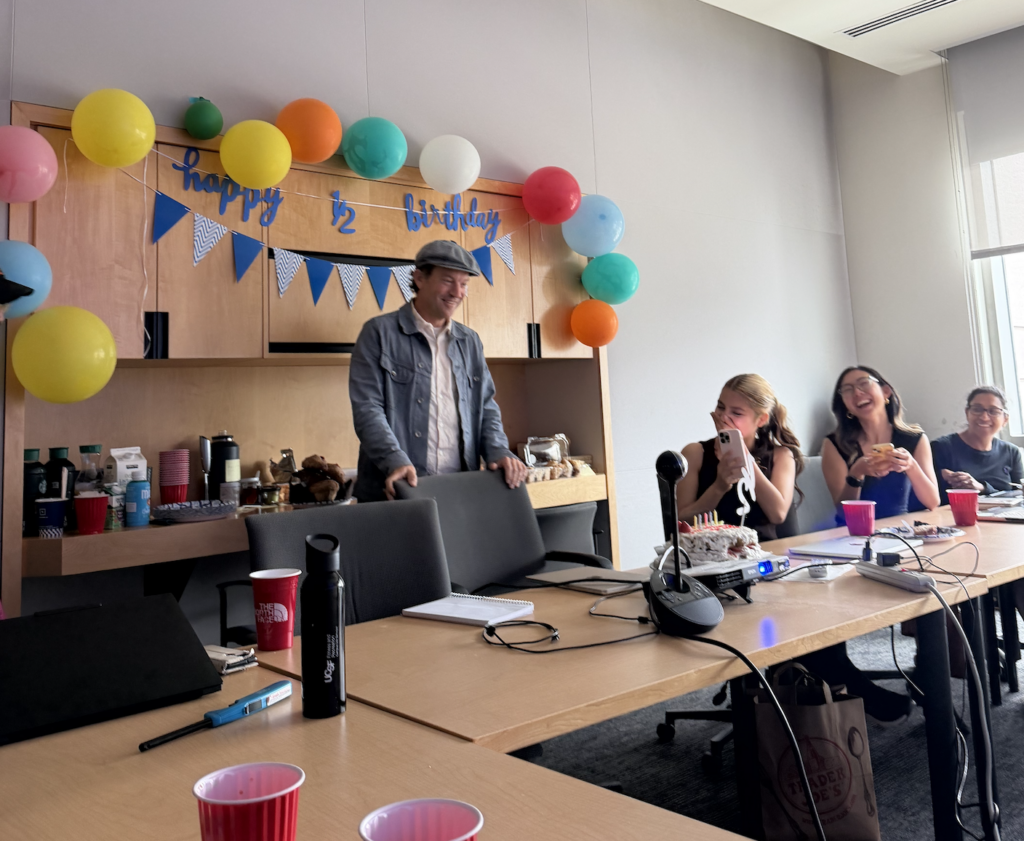
Zev’s Half Birthday!

Lucas and Zuzhi Qualed!

20255 updates

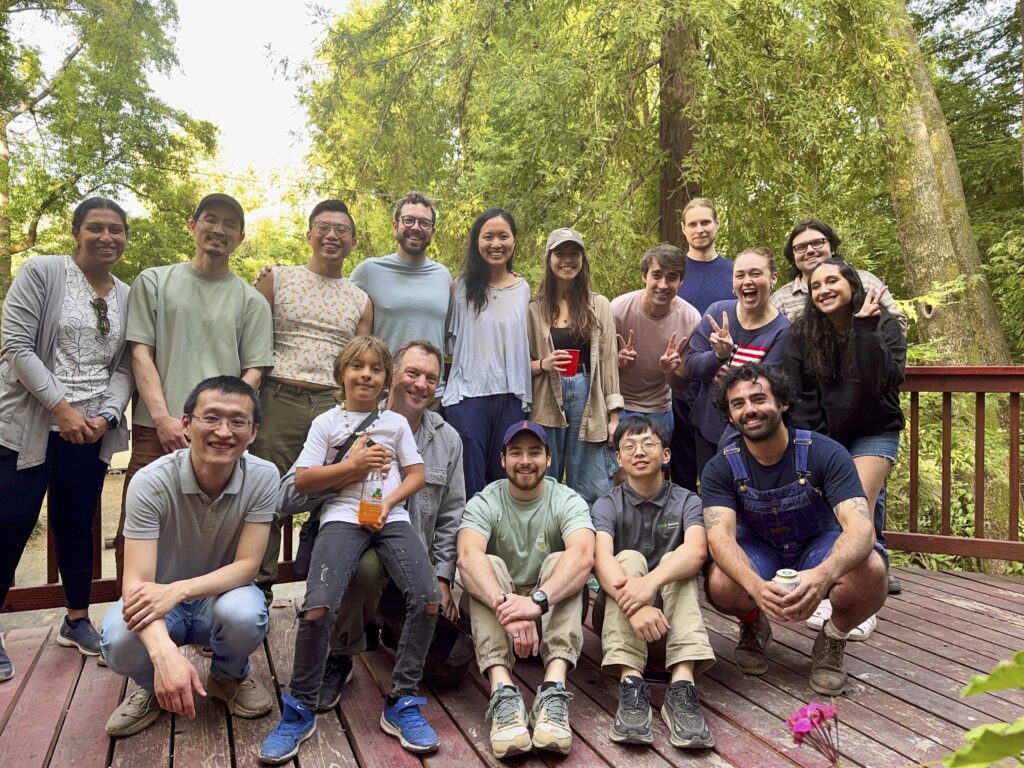
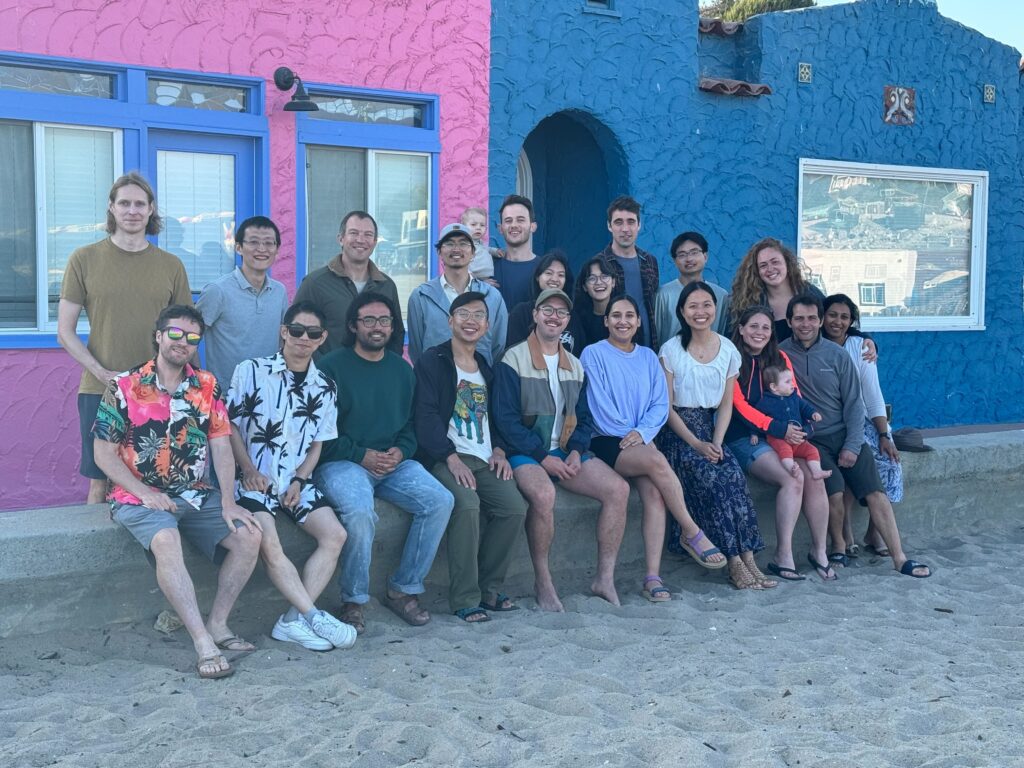
Lab Retreat at the Russian River

Natasha, Zuzhi, and Lucas join the lab. Welcome!

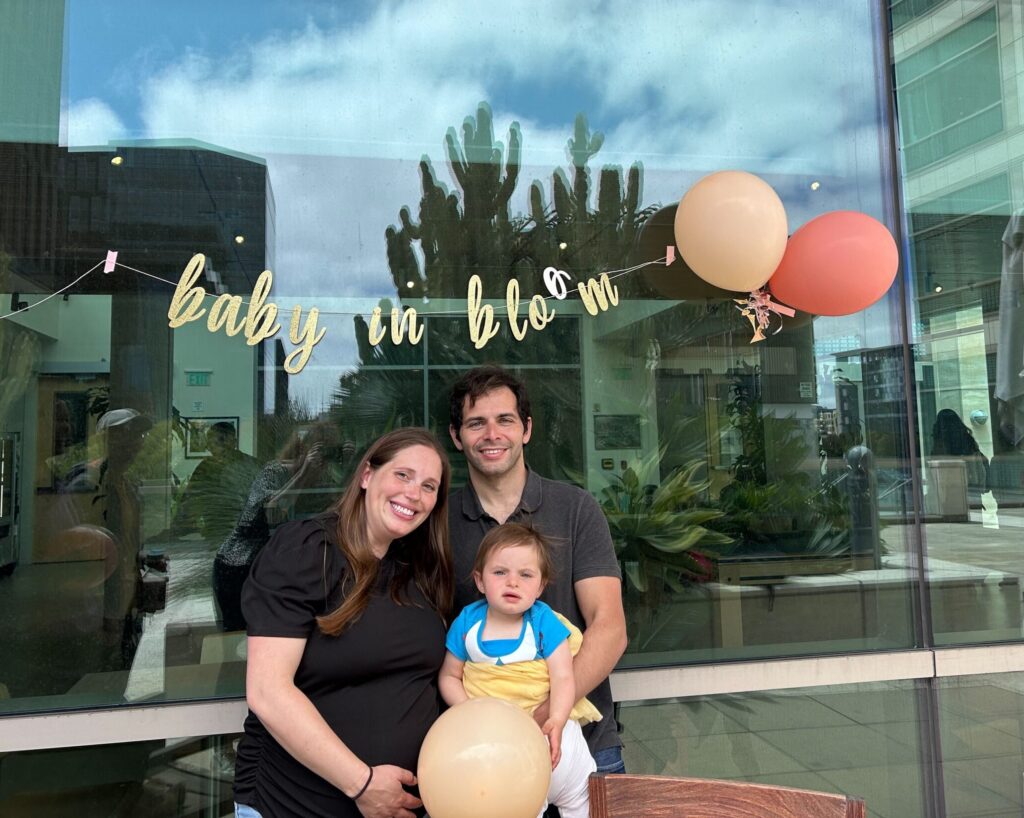
Brittany’s Baby Shower!

Patiently waiting for the next lab member to be born!

Danny Graduated!

Austin was awarded the K99 grant from the National Institute of Health. Congrats!

20243 updates

Lab Retreat in Capitola

Gabriela joined the lab!

Asa Qualed!

20234 updates

Qin received the Immuno-Informatics Postdoctoral Fellowship from the Cancer Research Institute

Grace passes her quals and shows off her trophy!

grace quals
Go Grace!

Honesty joins the lab, welcome!

Jen passes her quals with flying colors!

hurray jen quals
Go Jen!
20225 updates

Lyndsay opens her own lab at Genentech!

Grace and Jen join the lab!

Katie graduates and accepts a job at GC Therapeutics!

Austin is awarded a fellowship from the CZ Biohub to further our collaboration with Rafael Gomez-Sjoberg's group!

202111 updates

Brittany is awarded a prestigious LSRF postdoctoral fellowship.

Tyler is honored to be awarded an F32 postdoctoral fellowship from the NIH.

Qin joins the lab. Welcome!

Kim joins the lab. Welcome!

Austin joins the lab. Welcome!

Ali joins us to forward our joint project with the Klein Lab.

Gabby passes her quals. Woohoo!

Congratulations to Jennifer for graduating and starting at Upside foods.

Hikaru graduates and begins a position at Gordian Biotechnology.

Katie graduates and begins a position at GC Therapeutics.

Chris graduates and begins his postdoc at Stanford.

20206 updates

Members of the Gartner Lab contribute to COVID screening at the CLIAHUB.

Gabby joins the lab.

Iain is awarded a UC President’s Postdoctoral Fellowship.

Iain is recognized with a UCSF HIVE and CIHR fellowship.

The NIH has funded our growing collaboration with the Klein Lab to investigate the self-organizing properties of the intestinal mesenchyme.

20197 updates

Tyler joins the lab.

Iain joins the lab.

Brittany joins the lab.

Kiet passes his quals.

Danny passes his quals.

Dave accepts a position as scientist with 10X Genomics.

The NIH Physical Science Oncology Network has funded our work investigating tissue self-organization in breast cancer.

20188 updates

Alex starts his lab at UPenn.

Danny joins the lab.

Kiet joins the lab.

Katie and Jennifer share their work at Grad Slam.

Lyndsay and Jennifer win best poster prize at the Santa Cruz Developmental Biology Meeting.

Lyndsay takes third place at Postdoc Slam.

Chris passes his quals.

Dave is awarded an NIH postdoctoral fellowship.

20178 updates

Alejandro joins the lab.

Olivia is awarded an NSF fellowship.

Chris joins the lab.

Jesse, Hikaru, and Olivia pass their quals.

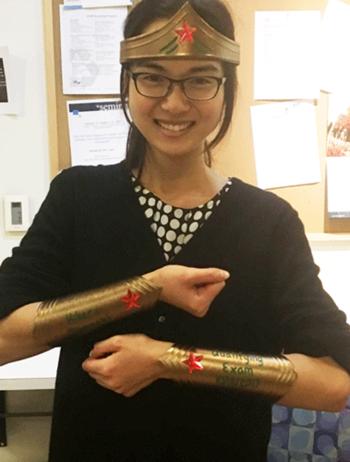
Hikaru dressed in red and gold tiara and bracelets styled after Wonder Woman.
Hikaru, smiling, wears Wonder Woman bracelets and tiara.

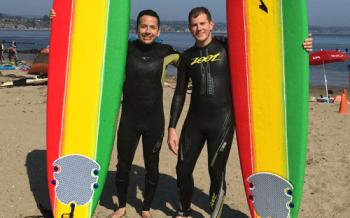
Efren and Andrew take to the surf at our annual lab retreat.

Efren and Andrew in wetsuits pose on a beach with colorful surfboards.
Efren and Andrew take to the surf at our annual lab retreat.
20164 updates

Kade’s paper in collaboration with the Jun Lab is accepted at Cell.

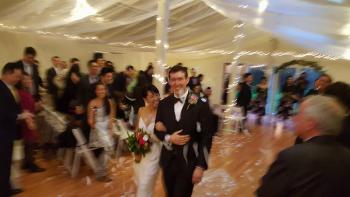
Lab marriage: Sam and Rob tie the knot.

wedding couple walks among family and friends in a large tented room.
Lab marriage: Sam and Rob tie the knot.
201511 updates

Andrew passes quals. Go Andrew!

Jennifer, Katy and Efren join the lab.

Alex is awarded a prestigious Jane Coffin Childs Postdoctoral Fellowship.

Lyndsay is awarded a prestigious Damon Runyon Postdoctoral Fellowship.

Dave and Vasudha join the lab.

Zev gets promoted.

Alec graduates.

Michael graduates.

Noel graduates.

201411 updates

Alec’s paper appears online in PNAS.

Rob and Sam’s paper is out.

Lyndsay joins the lab.

Rob passes quals. Woohoo!

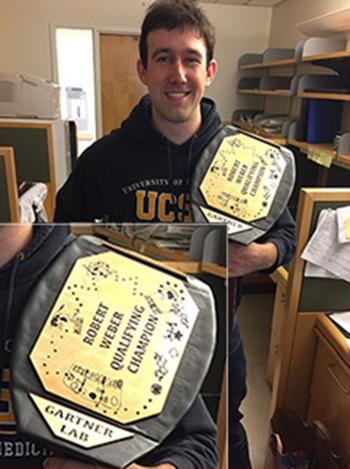
Rob holding a qualifying champion belt.
Rob passes quals. Woohoo!

Justin graduates with his PhD.

Justin and Kade publish in JoVE.

Sam’s paper out in JACS.

Kyle becomes a professor.

Andrew joins the lab.

Max joins the lab.

Amanda passes her quals. Sweet!

20137 updates

Alex joins the lab.

Kade passes quals. Nice!

Justin’s paper is out in Nature Methods.

Jen graduates with her PhD.

Chithra joins the lab.

Alec passes quals. Felicitations!

Rob joins the lab.

20125 updates

Jen’s paper is out in Cell Reports.

Kade joins the lab.

Kyle is awarded NIH Postdoctoral Fellowship.

Amanda joins the lab.

Nick’s paper appears in JACS.

20118 updates

Congratulations, Zev.

Alec joins the lab.

Noel passes quals. Fantastic!

Sam passes quals. Hurray!

Michael passes quals. Congrats!

Kyle Joins the lab.

Nick leaves the lab and starts medical school at UCSF.

Matthias starts a job in Austria.

Before 20116 updates

Mathias joins the lab.

Sam and Noel join the lab.

Nick joins the lab.

Justin and Michael join the lab.

Jen joins the lab.

The Gartner lab opens its doors!

2001: A Space Odyssey: space baby facing earth.
A lab is born...

Contacts

Gabriela Childree

Lab Manager

Address
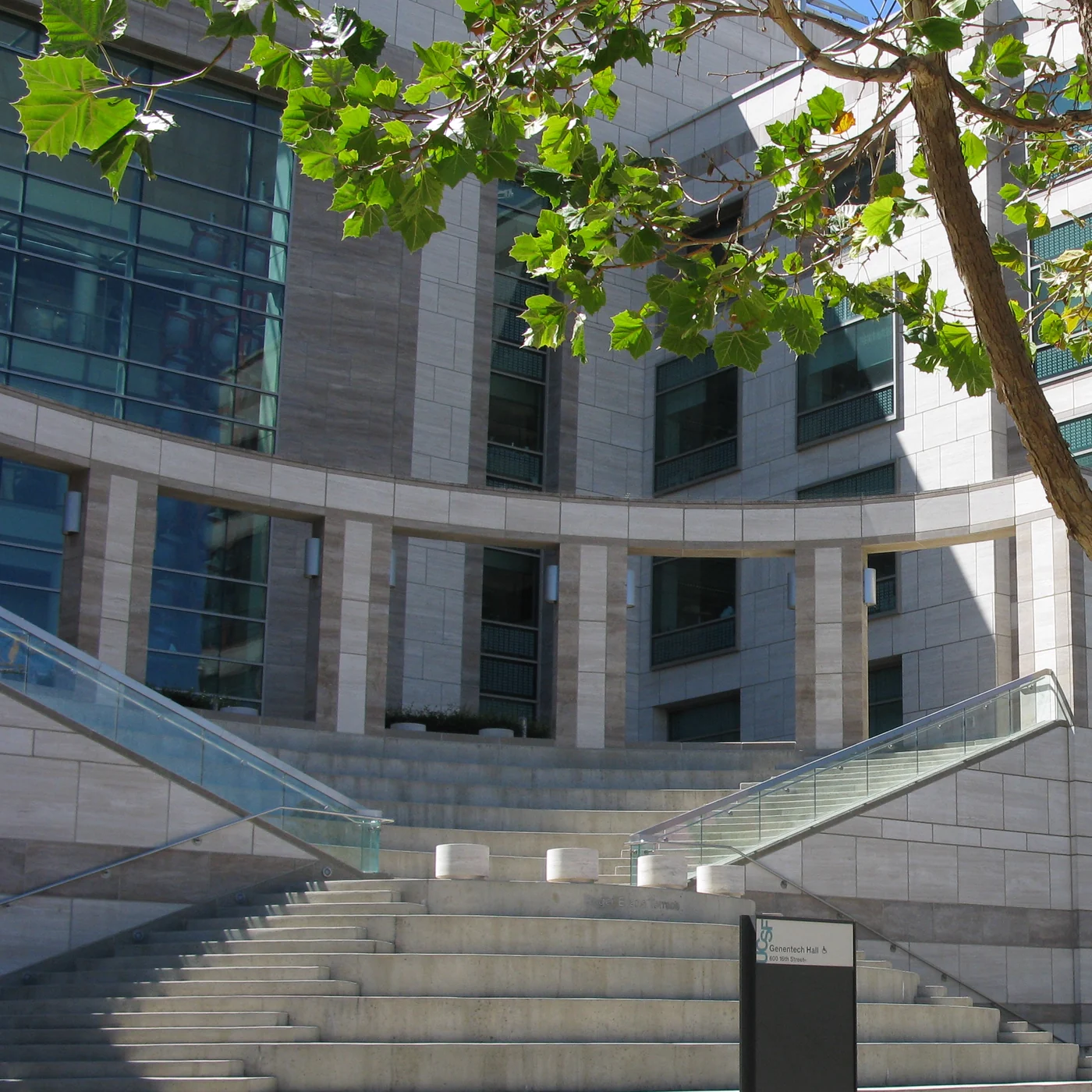
600 16th Street
Genentech Hall
San Francisco, CA 94158

Kazuko Olson

Executive Business Admin

Address
600 16th Street
Genentech Hall
San Francisco, CA 94158

Location

Genentech Hall

Genentech Hall Box 2280
600 16th St, Rm N512E
San Francisco, CA 94143